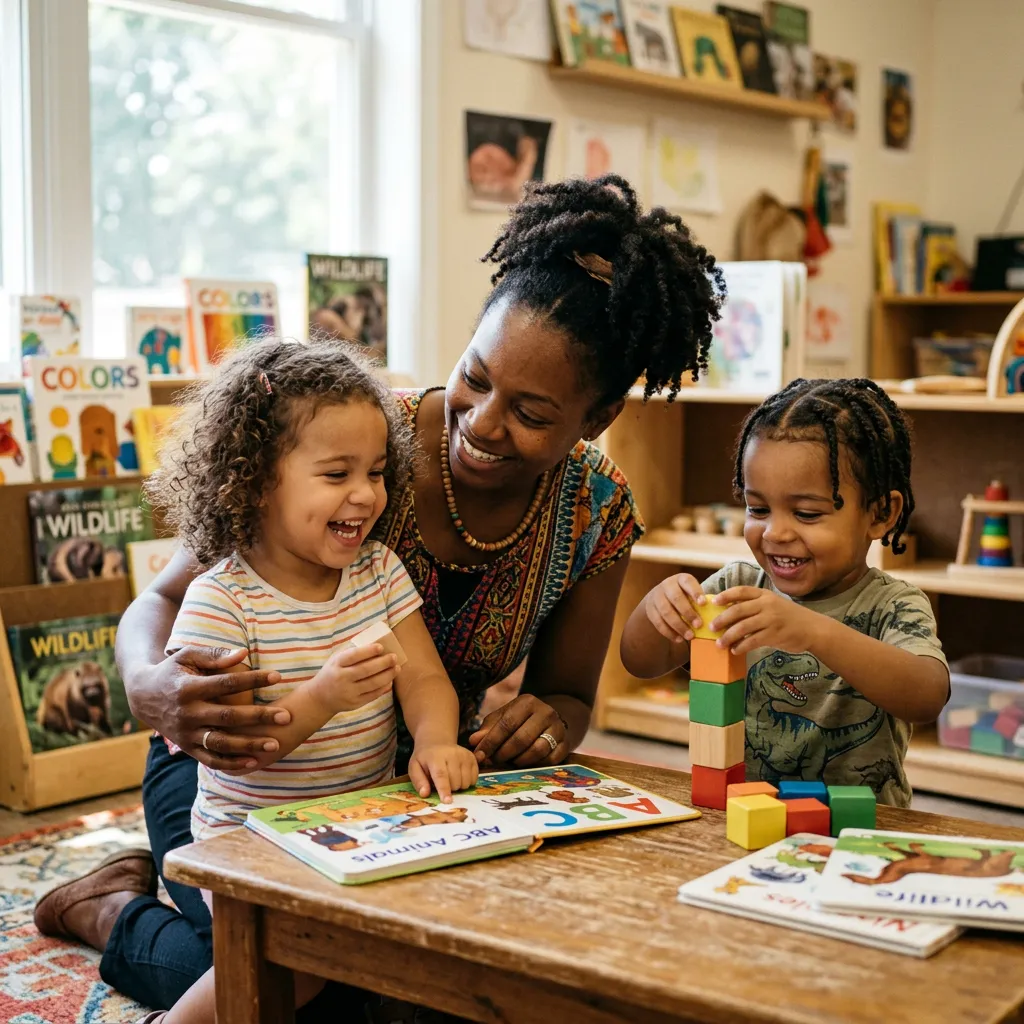
Play: The Foundation of Early Childhood Learning
Child Development, Learning Through Play, Early Childhood Education
Play Isn’t a Break from Learning—It Is How Learning Begins
On a late afternoon in a sunlit preschool classroom, a little boy named Eli knelt beside a tower of wooden blocks. Adults might have seen “just play.” His teacher saw something else unfolding: the quiet, powerful work of early learning.
Eli’s hands trembled as he balanced one last block on his wobbly tower. When it crashed down, his eyes flashed with frustration. He paused, studied the scattered pieces, and tried again—this time placing the larger blocks at the bottom. What looked like a simple game was actually Child Development in motion: problem-solving, persistence, fine motor skills, and emotional regulation all wrapped inside a playful moment.
Learning Through Play: The Brain’s Favorite Classroom
For young children, Learning Through Play isn’t a bonus after the “real” lessons. It is the lesson. When a child stirs an empty pot in a pretend kitchen, they’re exploring cause and effect. When they dress up as a doctor, they’re practicing language, empathy, and social rules. Their brains light up as they connect ideas, test theories, and build confidence—no worksheets required.
In Early Childhood Education settings that truly honor play, teachers become keen observers and gentle guides. They sit on the rug, listen to children’s stories, and quietly add materials that stretch thinking: a measuring tape near the block corner, clipboards beside the pretend vet clinic, magnifying glasses by the window where ladybugs gather. These small additions turn everyday moments into rich Play-based Learning experiences.
The Importance of Play for Growing Minds and Hearts
One rainy day, Saddie and her friends dragged chairs, blankets, and pillows into a corner of the classroom. “It’s our rocket ship!” they announced. Within minutes, roles were assigned: pilot, engineer, space explorer. Arguments flared—“I was here first!”—and then softened as they negotiated turns and traded jobs. In that makeshift rocket, they weren’t only pretending to travel to the moon. They were practicing collaboration, language, and self-control.
This is the quiet Importance of Play: it weaves together social, emotional, physical, and cognitive growth. Children learn how to wait, how to listen, how to express big feelings in small bodies. They learn that mistakes are not dead ends but detours to better ideas. In a world that often rushes children toward academics, play insists on a gentler truth—children learn best when they feel safe, curious, and joyful.
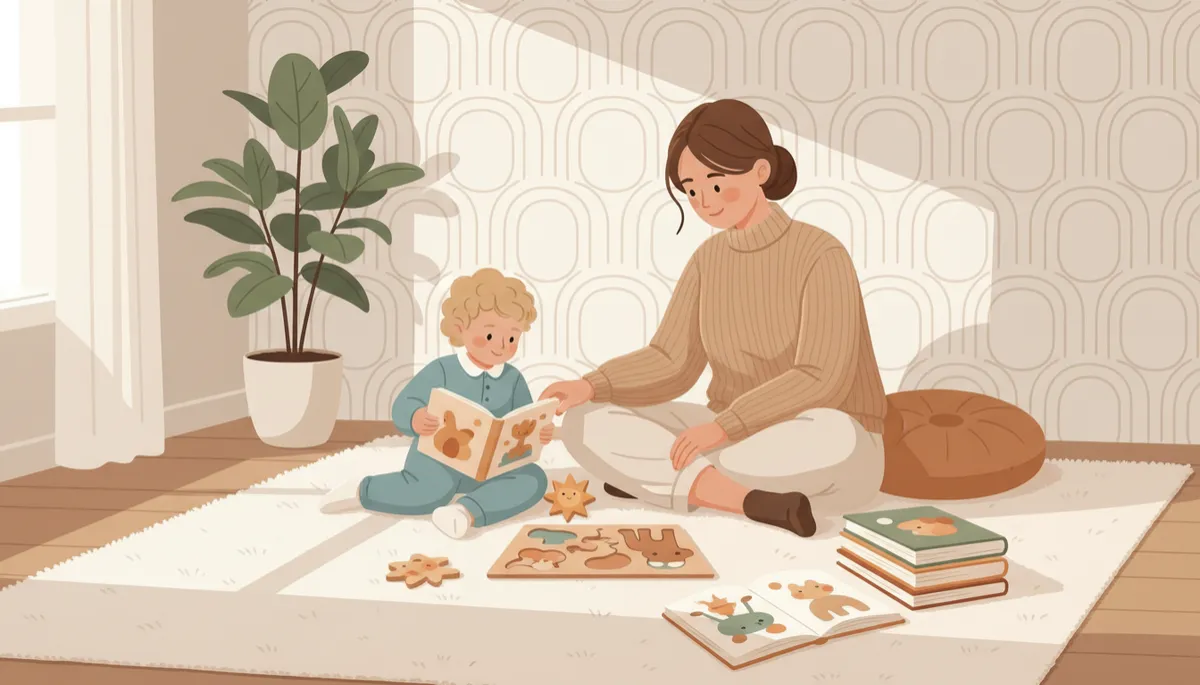
Simple, playful moments at home can nurture deep, lasting learning.
Educational Play Activities You Can Try Today
You don’t need fancy toys or elaborate plans to support Educational Play Activities. What children crave most is time, space, and a caring adult who believes their play matters. Here are a few try this week:
Turn bath time into a science lab with cups, spoons, and containers of different sizes. Ask, “Which one holds more?” and watch curiosity bubble up.
Transform the living room into a grocery store. Label pretend foods with simple words or numbers and let your child “shop,” count, and read as they play.
Head outside with a “treasure bag” and collect leaves, rocks, or sticks. Sort them by size, color, or shape, turning nature into a playful math lesson.
💡 Pro Tip: When your child plays, join them with questions, not instructions. “What are you building?” opens more learning than “Do it like this.”
Let Play Lead the Way
At the end of the week, Eli’s teacher snapped a photo of his latest block creation: a wide, sturdy bridge. She sent it to his family with a simple note—“Look how his planning and patience have grown.” No test score could have captured that story as clearly as his play did.
When we honor Play-based Learning, we honor childhood itself. We recognize that every tower of blocks, every pretend rocket ship, every giggling game of tag is shaping the skills children will carry into school and life. Play isn’t a pause from learning; it is the language of early learning—and when we listen closely, we discover just how much our children already know.